

The Wholesale Price Index (WPI) inflation in India surged to 1.81% in January 2026, reaching a 10-month peak. This marks the third consecutive monthly increase in wholesale inflation, primarily driven by escalating prices in food articles, non-food items, and manufactured products. This development is critical for UPSC aspirants as it reflects current economic conditions and potential implications for monetary policy.
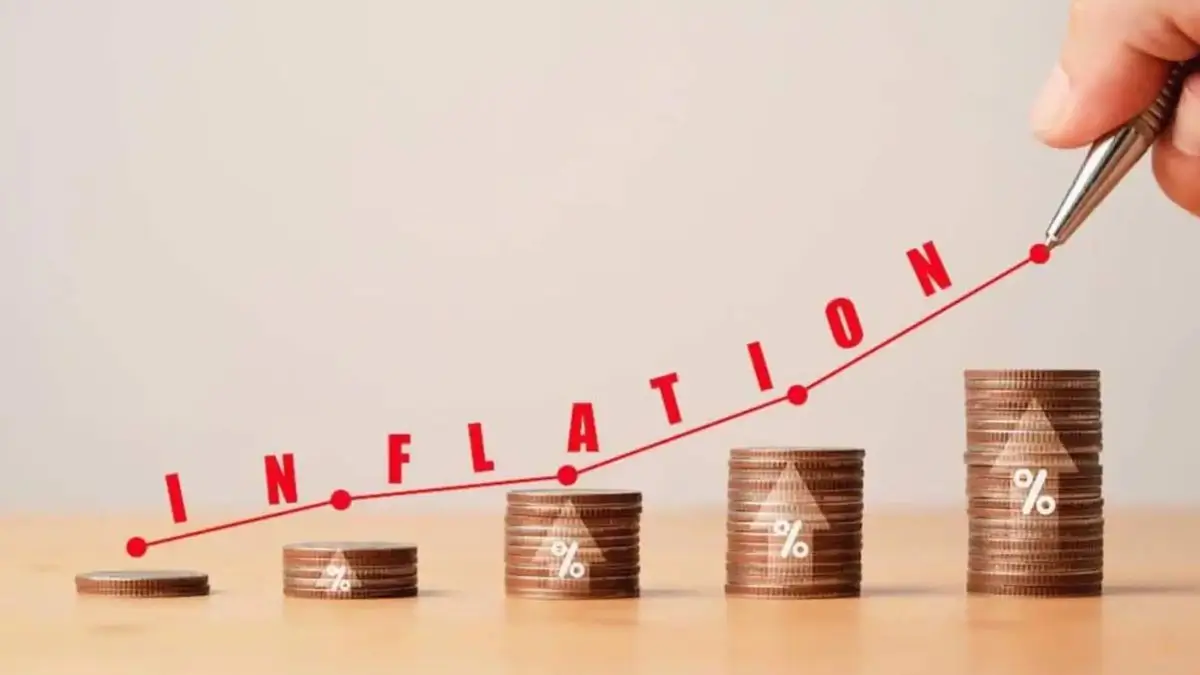
Understanding WPI inflation is vital for the UPSC prelims and mains examinations. In the Prelims, candidates may encounter questions regarding the definition and components of WPI, while the Mains may include analytical questions under GS Paper III, focusing on economic trends and their impact on policy-making. UPSC aspirants should study this topic to grasp the dynamics of inflation and its economic implications.
The Wholesale Price Index (WPI) is a critical economic indicator that measures price changes at the wholesale level before goods reach consumers. It encompasses various components, including primary articles, fuel and power, and manufactured products. The WPI is released by the Ministry of Commerce and Industry and, although it is not the primary inflation target for the Reserve Bank of India (RBI), it reflects price pressures at the producer level.
In the Prelims, questions may focus on factual knowledge about WPI, its components, and the significance of the inflation rate. Mains questions might explore the causes and implications of WPI inflation, requiring candidates to analyze its impact on the economy and policy responses.
The recent rise in WPI inflation can be attributed to several factors, including increased demand for food products and textiles post-pandemic, alongside global supply chain disruptions. This inflationary pressure could lead to higher production costs, affecting consumer prices in the long run. The interplay between WPI and CPI inflation indicates diverging trends that the RBI must consider in its monetary policy framework.
As WPI inflation trends upward, it is essential for policymakers to adopt evidence-based strategies to ensure economic stability. The RBI must monitor these inflationary trends closely to maintain balance in consumer prices, promoting sustainable growth. Policymaking should focus on enhancing supply chain resilience and addressing the root causes of inflation to achieve long-term economic stability.
Q1. What is WPI inflation and why is it important?
Answer: WPI inflation measures the price changes at the wholesale level. It is important for understanding producer-level price pressures and economic trends, influencing monetary policy decisions.
Q2. How does WPI inflation differ from CPI inflation?
Answer: WPI inflation reflects wholesale prices before they reach consumers, while CPI inflation measures consumer-level prices. Both indicators provide insights into different aspects of inflation.
Q3. What factors contributed to the rise in WPI inflation in January 2026?
Answer: The rise in WPI inflation was driven by higher prices in food articles, manufactured products, and basic metals, alongside a significant turn in food inflation from deflation to inflation.
Q4. What role does the Reserve Bank of India play regarding inflation?
Answer: The RBI targets CPI inflation for monetary policy. However, it also monitors WPI inflation to gauge producer price pressures and overall economic health.
Q5. Why should UPSC aspirants study WPI inflation trends?
Answer: Understanding WPI inflation trends is crucial for candidates as it relates to economic stability and policy-making, which are significant topics in the UPSC syllabus.
Question 1: What was the WPI inflation rate in January 2026?
A) 0.83%
B) 1.81%
C) 2.51%
D) 2.75%
Correct Answer: B
Question 2: Which sector saw a significant increase contributing to WPI inflation in January 2026?
A) Agriculture
B) Manufacturing
C) Services
D) Technology
Correct Answer: B
Question 3: What trend did food inflation exhibit in January 2026?
A) Deflation
B) Stability
C) Positive inflation
D) Negative inflation
Correct Answer: C
Question 4: What was the primary inflation target for the Reserve Bank of India?
A) WPI
B) CPI
C) GDP
D) GNP
Correct Answer: B
Question 5: Which component of WPI remained in deflation in January 2026?
A) Food articles
B) Manufactured products
C) Fuel and power
D) Textiles
Correct Answer: C
 Kutos : AI Assistant!
