

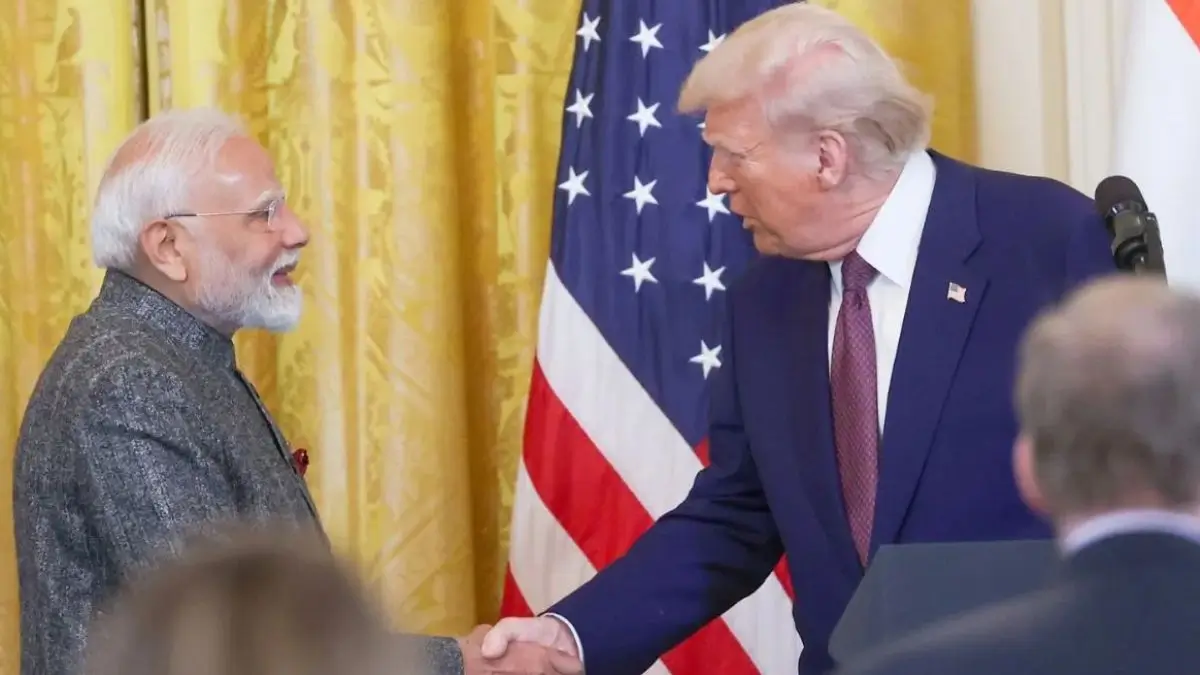
The recent announcement regarding the US-India trade deal is significant due to its potential impact on international trade dynamics. On February 2, 2026, President Donald Trump declared that the United States and India have reached a trade agreement, which includes a reduction in tariffs. This announcement is crucial as it reflects ongoing negotiations between two major economies and their response to global economic challenges, particularly in energy purchasing and geopolitical alignments.
This topic is relevant for UPSC aspirants as it falls under several syllabus areas. In the Prelims, questions may arise about the specifics of the trade deal and tariff changes. For the Mains, it is pertinent to examine the implications of this agreement under GS Paper II, especially in international relations and economic diplomacy. Understanding this deal enhances an aspirant's knowledge of current affairs, which is vital for both Prelims and Mains examinations.
The US-India trade deal involves a significant tariff reduction from 25% to 18% on Indian goods, aimed at enhancing trade volumes. The agreement also entails India's commitment to increase its purchases of American products, including energy and technology goods, which could reshape bilateral trade relations. The geopolitical context surrounding energy purchases from Russia adds another layer of complexity to this agreement.
In the Prelims, questions may focus on specific facts such as tariff percentages, key figures involved, or timelines of the agreement. In contrast, the Mains examination may require aspirants to analyze the causes and implications of the trade deal, including its effects on global politics, the economy, and energy security.
The trade deal signifies a shift in US-India relations, especially in the context of energy purchases. By agreeing to increase imports from the US and potentially Venezuela, India may help diminish Russia's economic power. This decision could affect India's energy security and its diplomatic stance regarding global conflicts, particularly the ongoing situation in Ukraine. The legal status of the deal raises questions about presidential powers in trade agreements, highlighting the checks and balances in US governance.
The US-India trade deal presents an opportunity for enhanced economic cooperation and strategic alignment. To ensure sustainability and resilience in bilateral relations, both nations must engage in transparent negotiations and establish clear legal frameworks. Future discussions should focus on balancing trade interests with geopolitical realities, ensuring that agreements promote mutual benefits and contribute to global stability.
Q1. What are the key elements of the US-India trade deal?
Answer: The deal includes a reduction in US tariffs on Indian goods from 25% to 18%, alongside India's commitment to increase purchases of American products worth over $500 billion.
Q2. How does this trade deal affect US-India relations?
Answer: The deal is expected to strengthen economic ties and enhance cooperation on geopolitical issues, particularly in the energy sector, reducing reliance on Russian oil.
Q3. What is the current legal status of the US-India trade agreement?
Answer: The legal status remains unclear, as no official documentation has been released, raising questions about the President's ability to finalize trade agreements without Congressional approval.
Q4. How can this trade deal impact global energy markets?
Answer: By diverting energy purchases from Russia to the US, the deal could weaken Russia's economic influence and alter global energy supply dynamics.
Q5. Why is the reduction of tariffs significant for India?
Answer: The reduction in tariffs is crucial for enhancing India's export capabilities, making Indian products more competitive in the US market, which can lead to increased trade volumes.
Question 1: What is the new tariff rate on Indian goods as per the recent US-India trade deal?
A) 25%
B) 21%
C) 18%
D) 15%
Correct Answer: C
Question 2: Which country is India expected to reduce oil purchases from due to the new trade agreement?
A) Saudi Arabia
B) Venezuela
C) Russia
D) Iraq
Correct Answer: C
Question 3: How much is India committed to buy in American products under the new trade deal?
A) $300 billion
B) $400 billion
C) $500 billion
D) $600 billion
Correct Answer: C
Question 4: Which aspect of the US-India trade deal raises legal questions?
A) Tariff percentage
B) Presidential authority
C) Trade volumes
D) Energy commitments
Correct Answer: B
 Kutos : AI Assistant!
