

India, renowned for hosting the largest tiger population globally, experienced a troubling increase in tiger fatalities in 2025. Official reports indicate that 166 tigers lost their lives during the year, underscoring significant challenges related to habitat pressure, territorial conflicts, and conservation management, despite the overall growth of tiger numbers.
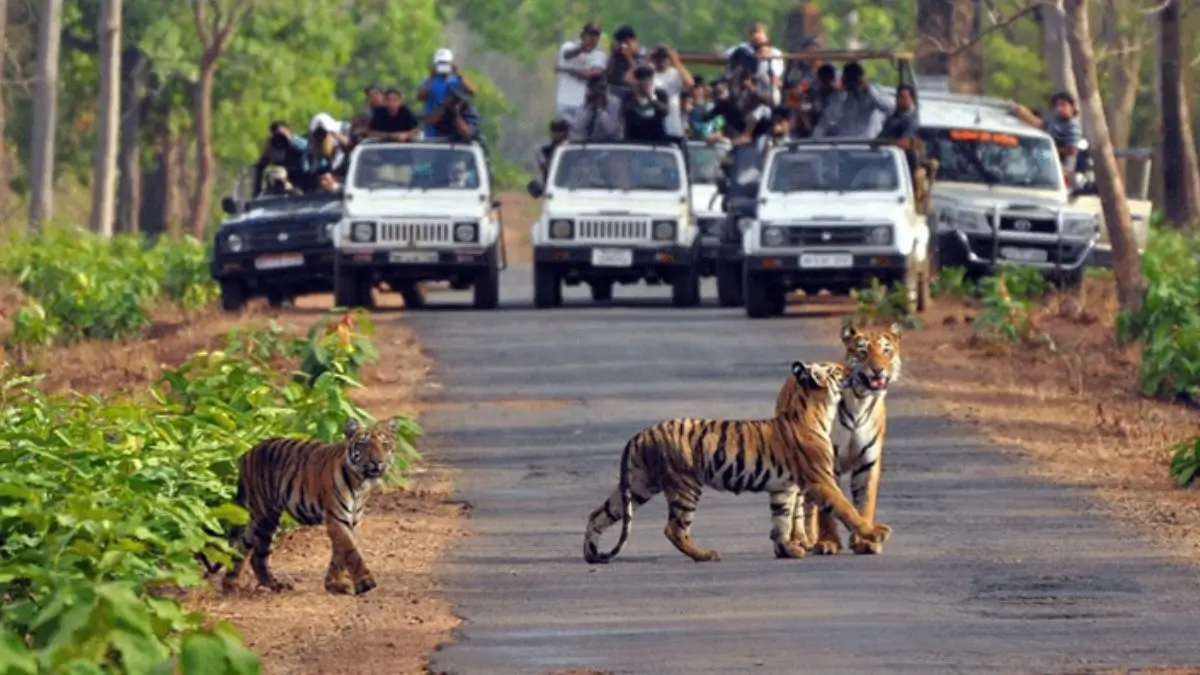
The National Tiger Conservation Authority (NTCA) published data revealing that India recorded 166 tiger deaths in 2025, which is 40 more than the previous year. Madhya Pradesh emerged as the state with the highest number of fatalities, raising concerns about space constraints and territorial conflicts among the growing tiger population.
According to the NTCA, a total of 166 tiger deaths were reported across India in 2025, with 31 cubs included in this statistic. This number marks a worrying increase from 126 deaths in 2024, indicating escalating stress on tiger habitats despite the success of conservation efforts in population growth.
Madhya Pradesh, often referred to as India’s “Tiger State,” recorded the highest number of deaths, totaling 55. Other states with significant fatalities included Maharashtra (38), Kerala (13), and Assam (12). Typically, states with larger tiger populations experience higher mortality rates due to increased competition and more effective monitoring.
Wildlife experts primarily attribute these deaths to territorial infighting, a consequence of habitat saturation. As tiger populations expand, the available forest space and corridors become limited. Young and dispersing tigers frequently encounter resident adults while searching for new territory, often resulting in fatal clashes, particularly in densely populated reserves.
India's tiger population grew from 2,967 in 2018 to 3,682 in 2022, reflecting an annual growth rate of approximately 6%. Madhya Pradesh alone saw its tiger numbers surge from 308 in 2014 to 785 in 2022. This rapid growth has intensified competition for territory in already constrained forest landscapes.
In Madhya Pradesh, over 38 of the 55 reported deaths in 2025 were due to natural causes, predominantly involving cubs and younger tigers. Approximately 10 cases were linked to poaching incidents, including electrocution and non-targeted killings. Notably, all tiger deaths are treated as potential poaching cases unless proven otherwise.
The NTCA enforces strict Standard Operating Procedures for investigating tiger deaths. Additionally, Madhya Pradesh has established a State Tiger Strike Force to combat wildlife crime. There are active prosecutions for cases related to organized poaching networks, including those with international connections.
India is home to nearly 75% of the world's tiger population. The all-India tiger census is conducted every four years to monitor population trends. While conservation initiatives have successfully increased tiger numbers, habitat fragmentation and human-dominated landscapes continue to pose significant obstacles to natural tiger movement.
Q1. What are the main causes of tiger deaths in India?
Answer: The primary causes of tiger deaths in India include territorial infighting due to habitat saturation, natural causes, and poaching incidents. Increased competition for limited habitat leads to fatal conflicts among tigers.
Q2. Which state reported the highest number of tiger deaths in 2025?
Answer: Madhya Pradesh reported the highest number of tiger deaths in 2025, with a total of 55 fatalities, raising concerns about habitat pressure and territorial conflicts.
Q3. How has India's tiger population changed in recent years?
Answer: India's tiger population has increased from 2,967 in 2018 to 3,682 in 2022, reflecting successful conservation efforts despite ongoing habitat challenges.
Q4. What role does the NTCA play in tiger conservation?
Answer: The National Tiger Conservation Authority (NTCA) enforces conservation policies, investigates tiger deaths, and provides guidelines to ensure the protection of tiger habitats and populations across India.
Q5. How does poaching affect tiger mortality rates?
Answer: Poaching significantly impacts tiger mortality rates, with cases often linked to organized crime. In 2025, several deaths were attributed to poaching, highlighting the ongoing threat to tiger populations.
 Kutos : AI Assistant!
