

The United Nations has marked a pivotal moment in reinforcing global dedication to decolonization. The adoption of Resolution A/RES/80/106 has officially designated 14 December as the International Day Against Colonialism in All Its Forms and Manifestations. First commemorated in 2025, this day emphasizes the urgent need to eradicate colonialism in all its manifestations while reaffirming the core values of the UN Charter. For government job aspirants and general readers, this observance is a crucial topic linked to international relations, UN resolutions, and global justice, making it particularly relevant for competitive exams.
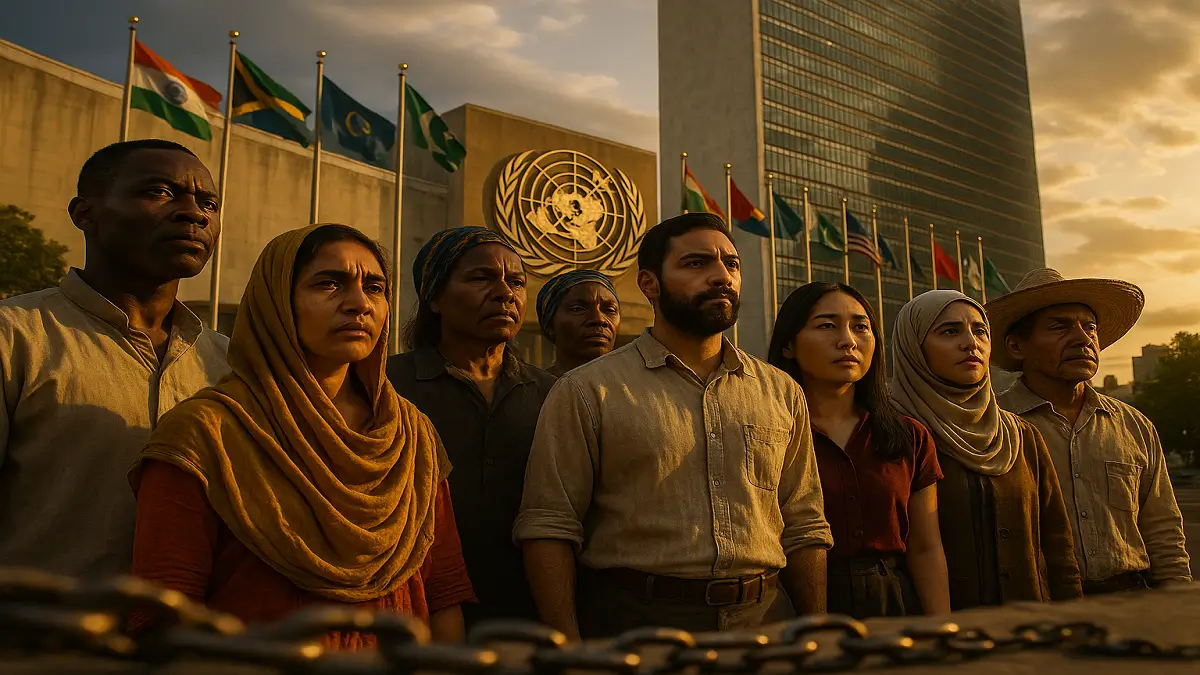
Colonialism, despite the progress made worldwide, has not been completely eliminated. Numerous regions continue to grapple with political, economic, and cultural challenges rooted in colonial legacies. The International Day aims to:
This observance reaffirms the UN’s longstanding position that colonialism violates human rights and obstructs developmental progress.
The foundation of this day is embedded in the UN General Assembly Resolution 1514 (XV), adopted in 1960. Known as the Declaration on the Granting of Independence to Colonial Countries and Peoples, it asserts that:
Resolution A/RES/80/106 builds upon this declaration by institutionalizing a dedicated day to renew international commitment.
As part of the inaugural observance, the United Nations will host a high-level plenary meeting of the General Assembly on 18 December 2025. This meeting commemorates the 65th anniversary of Resolution 1514 (XV).
Key participants include:
The meeting aims to foster global dialogue on implementing UN resolutions related to decolonization and addressing unresolved colonial issues.
More than six decades after the adoption of Resolution 1514 (XV), colonialism persists in various forms, including:
These manifestations undermine the core principles of equality, freedom, and human dignity enshrined in the UN Charter.
The eradication of colonialism remains a top priority for the United Nations, especially under the Fourth International Decade for the Eradication of Colonialism (2021–2030). The objectives of this decade include:
This decade reflects the UN’s belief that true global peace is unattainable without complete decolonization.
The fight against colonialism is not solely a governmental endeavor; everyone has a role to play. Here are ways to participate:
Active participation helps spread awareness and reinforces global solidarity.
Q1. What is the International Day Against Colonialism?
Answer: The International Day Against Colonialism, observed on December 14, highlights the significance of eradicating colonialism and promoting self-determination and human rights globally.
Q2. Why is decolonization important today?
Answer: Decolonization is crucial as many regions still face political, economic, and cultural challenges stemming from colonial legacies, affecting their development and human rights.
Q3. What is UN Resolution 1514 (XV)?
Answer: UN Resolution 1514 (XV), adopted in 1960, emphasizes the right to self-determination and calls for the end of colonial rule and its harmful effects on development.
Q4. How can individuals contribute to decolonization efforts?
Answer: Individuals can contribute by participating in observances, supporting grassroots movements, and engaging with UN initiatives focused on decolonization.
Q5. What are the objectives of the Fourth International Decade for the Eradication of Colonialism?
Answer: The objectives include supporting independence movements, strengthening cooperation, raising awareness, and ensuring sustainable development in affected territories.
 Kutos : AI Assistant!
