

The formation of Telangana on June 2, 2014, is significant due to ongoing discussions regarding regional governance and administrative efficiency in India. As a result of long-standing demands from the populace, Telangana’s establishment reflects the challenges and complexities involved in creating new states within the country. Understanding this topic is crucial for UPSC aspirants, as it encapsulates issues of governance, regional identity, and public administration, which are often addressed in current affairs and policy debates.
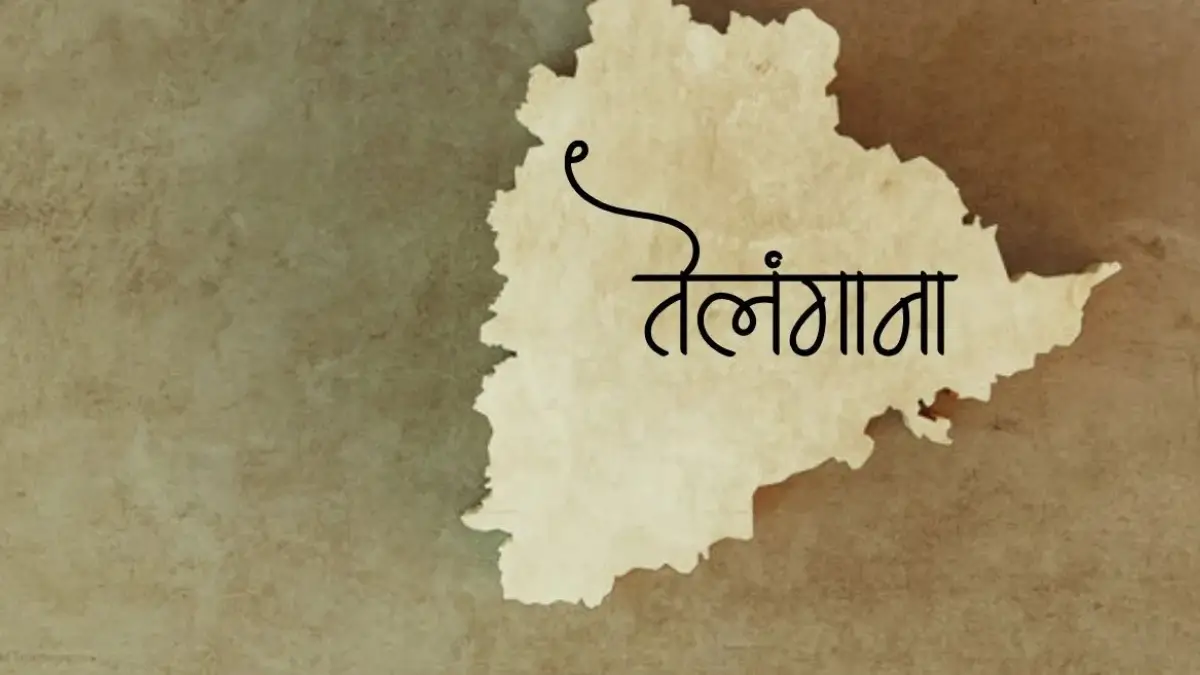
Telangana's formation is relevant for UPSC Prelims as it involves historical, political, and socio-economic dimensions of state reorganization. For Mains, it connects to General Studies Paper I (Indian History) and Paper II (Governance). UPSC aspirants should study this topic to comprehend the implications of statehood on local governance, resource allocation, and regional development.
Telangana emerged as India's 29th state following its bifurcation from Andhra Pradesh due to demands for better governance, equitable resource distribution, and regional development. The movement for a separate state was fueled by perceptions of neglect and unequal growth compared to other areas. Telangana's creation is a pivotal moment in Indian administrative history, reflecting the dynamics of state formation and the governance challenges that accompany it.
In Prelims, questions may focus on factual details such as the date of formation and geographical characteristics of Telangana. In Mains, questions could delve into the causes and implications of state formation, analyzing the socio-political impact and governance challenges faced by newly formed states.
The creation of Telangana illustrates the cause-effect relationship between public demand and governmental response. The demand for a separate state arose from perceived injustices in resource allocation and development disparities. The implications extend to governance structures, as new states must establish their administrative frameworks while addressing local needs for development, infrastructure, and public services. This case highlights the importance of responsive governance and regional equity in India.
As Telangana continues to evolve, it presents a model for sustainable development and regional governance in India. Policymakers must focus on evidence-based strategies that promote local participation and resource management. Ensuring ecosystem balance and fostering resilience in governance will be crucial for Telangana's growth. The state’s development can serve as a blueprint for addressing similar demands in other regions, emphasizing the need for adaptive policies that respond effectively to local aspirations.
Q1. What led to the formation of Telangana?
Answer: Telangana was formed due to long-standing demands for better governance, equitable resource distribution, and developmental disparities compared to other regions, culminating in its separation from Andhra Pradesh.
Q2. When did Telangana officially become a state?
Answer: Telangana officially became a state on June 2, 2014, after a prolonged public movement advocating for its formation.
Q3. What is the significance of Hyderabad in Telangana?
Answer: Hyderabad serves as the capital of Telangana and is a major hub for technology, education, and business, contributing significantly to the state's economic growth.
Q4. How does Telangana's formation relate to governance issues in India?
Answer: Telangana's formation highlights the challenges of regional governance, resource allocation, and administrative efficiency, relevant topics for understanding Indian federalism.
Q5. What are some key features of Telangana's development since its formation?
Answer: Since its formation, Telangana has seen advancements in IT, agriculture, and infrastructure, with ongoing initiatives for sustainable development and local governance.
Question 1: When was Telangana formed?
A) June 2, 2010
B) June 2, 2012
C) June 2, 2014
D) June 2, 2016
Correct Answer: C
Question 2: What is the capital of Telangana?
A) Amaravati
B) Hyderabad
C) Visakhapatnam
D) Vijayawada
Correct Answer: B
Question 3: Telangana was formed from which state?
A) Tamil Nadu
B) Andhra Pradesh
C) Karnataka
D) Maharashtra
Correct Answer: B
Question 4: What was a major reason for the demand for Telangana's statehood?
A) Cultural differences
B) Political instability
C) Unequal development
D) Economic growth
Correct Answer: C
Question 5: Which river is significant for Telangana's agriculture?
A) Ganges
B) Yamuna
C) Godavari
D) Brahmaputra
Correct Answer: C
 Kutos : AI Assistant!
