

The recent extension of environmental clearance for the 1,750 MW Demwe Lower hydel project in Arunachal Pradesh until 2037 has raised significant concerns. Approved by the Ministry of Environment’s Expert Appraisal Committee (EAC) in January 2026, this decision follows years of litigation and scrutiny. The extension has reignited discussions surrounding biodiversity risks and legal compliance, especially in light of a previous ruling by the National Green Tribunal (NGT) that set aside the project's wildlife clearance.
This topic is particularly relevant for UPSC aspirants as it intersects with critical areas of environmental science, policy-making, and governance. It is relevant for:
UPSC aspirants should study this topic to grasp the complexities of environmental clearance procedures and their implications on ecological balance.
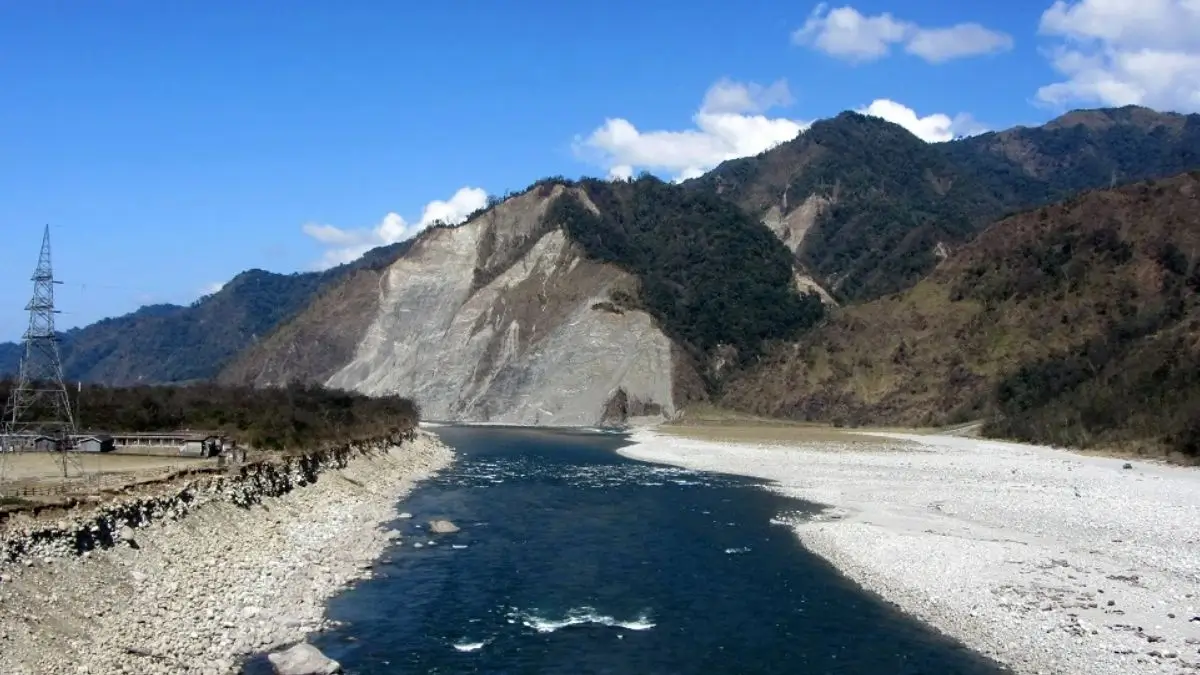
The Demwe Lower Project is located on the Lohit River and was initially granted environmental clearance in February 2010, valid until 2020. Due to policy relaxations and delays caused by litigation, the clearance has now been extended. The EAC, guided by a 2025 Office Memorandum, has classified litigation duration as a "zero period," allowing for this extension. However, this raises questions about the ecological integrity of the region, particularly in light of previous legal setbacks regarding wildlife clearance.
In the Prelims, questions may focus on:
In the Mains, aspirants may be asked to discuss:
The extension of the environmental clearance for the Demwe Lower Project highlights the ongoing tension between development and ecological preservation. While the project aims to support energy needs, it poses risks to biodiversity, particularly in the Lohit basin, which is home to endangered species like the White-Bellied Heron. The legal framework surrounding such projects must balance development priorities with sustainable environmental practices to ensure ecosystem resilience.
Moving forward, it is crucial to adopt evidence-based policies that prioritize sustainability and ecological balance in project approvals. A comprehensive review of environmental assessments, including fresh baseline biodiversity studies, should be mandated. This approach will not only protect vulnerable species but also foster resilience against climate change impacts, ensuring that development initiatives do not compromise environmental integrity.
Q1. What is the significance of the Demwe Lower hydel project?
Answer: The Demwe Lower hydel project is significant as it represents a major hydropower initiative in Arunachal Pradesh, aimed at addressing energy needs while raising concerns about environmental impacts and biodiversity preservation.
Q2. Why was the environmental clearance for the Demwe Project extended?
Answer: The environmental clearance was extended due to prolonged litigation and a 2025 Office Memorandum treating litigation time as a "zero period," allowing the project to continue despite previous legal challenges.
Q3. What are the ecological concerns associated with the Demwe Lower Project?
Answer: The project raises ecological concerns due to potential habitat destruction for endangered species, particularly the White-Bellied Heron, and significant forest land diversion in the Lohit basin.
Q4. How does the NGT ruling affect the Demwe Lower Project?
Answer: The NGT ruling set aside the project's wildlife clearance, necessitating reconsideration by the National Board for Wildlife, which raises legal and procedural concerns regarding the project's compliance with ecological standards.
Q5. What should be the way forward for environmental clearances in India?
Answer: The way forward should include rigorous evidence-based policies, comprehensive biodiversity assessments, and a balanced approach to development that prioritizes sustainability and ecosystem preservation.
Question 1: What is the capacity of the Demwe Lower hydel project?
A) 1,200 MW
B) 1,750 MW
C) 2,000 MW
D) 1,500 MW
Correct Answer: B
Question 2: Which tribunal set aside the wildlife clearance for the Demwe Lower Project?
A) Supreme Court
B) National Green Tribunal
C) High Court
D) Environmental Tribunal
Correct Answer: B
 Kutos : AI Assistant!
