

Kuno National Park (KNP) in Madhya Pradesh has garnered national attention since India embarked on its ambitious mission to reintroduce cheetahs after a 70-year absence. Despite achieving several conservation milestones, recent events—such as the tragic death of a cheetah cub on December 7, 2025—have underscored the challenges of wildlife protection beyond designated areas.
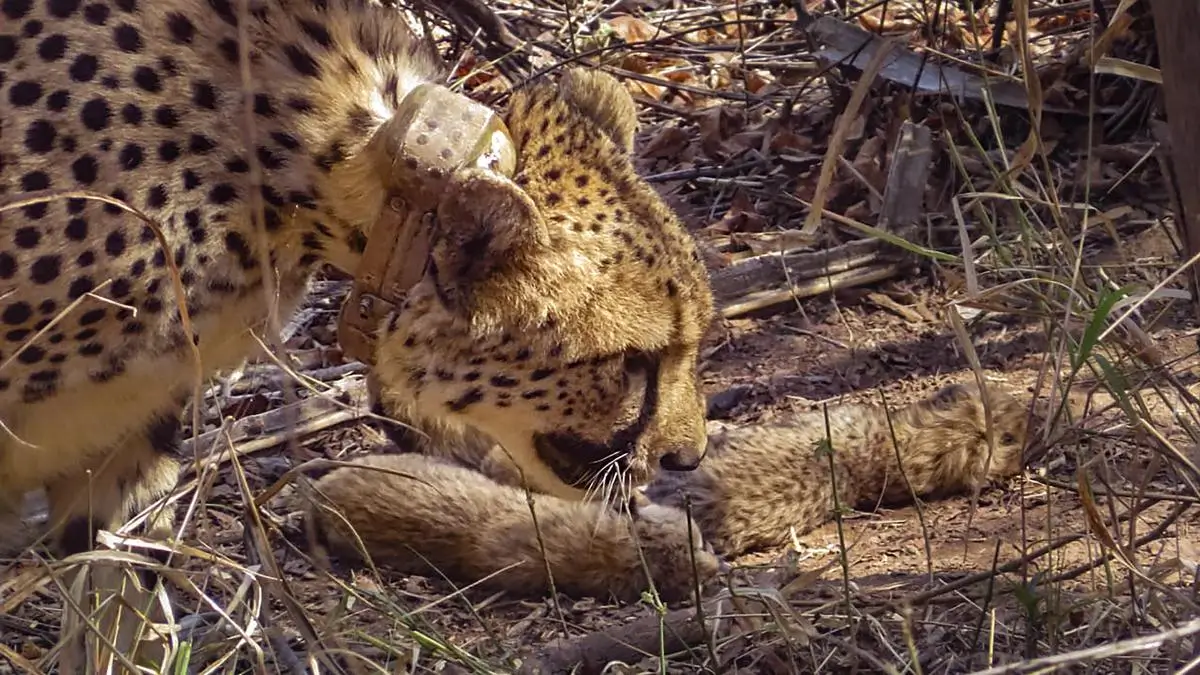
On December 7, 2025, a cheetah cub succumbed to injuries after being struck by a vehicle along the Agra–Mumbai National Highway (NH46) in Gwalior district, Madhya Pradesh. The cub was one of two 20-month-old males born in India, both offspring of the South African female cheetah, Gamini. Although the young cheetahs were closely monitored by the park's tracking team and local forest officials, one tragically met its end due to a speeding vehicle. This incident raises alarms regarding highway safety, wildlife corridors, and the movement of animals outside protected areas.
Kuno National Park is located in the northern part of Madhya Pradesh, spanning the Vindhyan hills and riverine landscapes. The park is characterized by:
The unique terrain of KNP was specifically chosen for the Cheetah Reintroduction Project due to its ecological similarities with the African savannahs.
Kuno National Park is situated in the Sheopur district of Madhya Pradesh. However, as evidenced by the recent accident, cheetahs—particularly young males—often venture beyond the park’s boundaries into neighboring districts like Gwalior and Shivpuri. This highlights the pressing need for enhanced monitoring and the establishment of wildlife-safe corridors.
The population of cheetahs in Kuno fluctuates due to various factors such as:
As of late 2025, there were approximately 26–27 cheetahs, including both adults and cubs, present within and around Kuno. Some cheetahs occasionally stray outside the park, complicating monitoring efforts.
Young male cheetahs typically explore new territories in search of:
However, once they leave protected zones, they face several risks, including:
The recent accident on NH46 highlights the urgent need to reinforce wildlife passages and raise community awareness regarding wildlife safety.
Kuno National Park was specifically selected for India’s cheetah reintroduction initiative due to its:
The project has already made significant strides, including:
Q1. What is Kuno National Park known for?
Answer: Kuno National Park is recognized for its significant role in India's cheetah reintroduction program, featuring diverse wildlife and suitable ecosystems for cheetahs.
Q2. Why did a cheetah cub die recently in Kuno?
Answer: A cheetah cub was killed after being struck by a vehicle on the Agra–Mumbai National Highway, highlighting the dangers faced by wildlife outside protected areas.
Q3. How many cheetahs are currently in Kuno National Park?
Answer: As of late 2025, there are approximately 26–27 cheetahs, including adults and cubs, within and around Kuno National Park.
Q4. What challenges do cheetahs face outside Kuno?
Answer: Cheetahs face risks such as road accidents, human-wildlife conflict, limited prey, and habitat fragmentation when they move outside Kuno National Park.
Q5. Why was Kuno selected for the cheetah reintroduction project?
Answer: Kuno was chosen due to its suitable grassland ecosystems, large core area, and strategic location that connects multiple forest patches, enhancing habitat opportunities.
 Kutos : AI Assistant!
