

The University Grants Commission (UGC) has recently declared 32 institutions across India as fake universities as of February 2026. This announcement highlights the ongoing issue of educational fraud, which affects students' prospects for employment and higher education. The UGC's warning is crucial for prospective students, as degrees from these institutions are invalid.
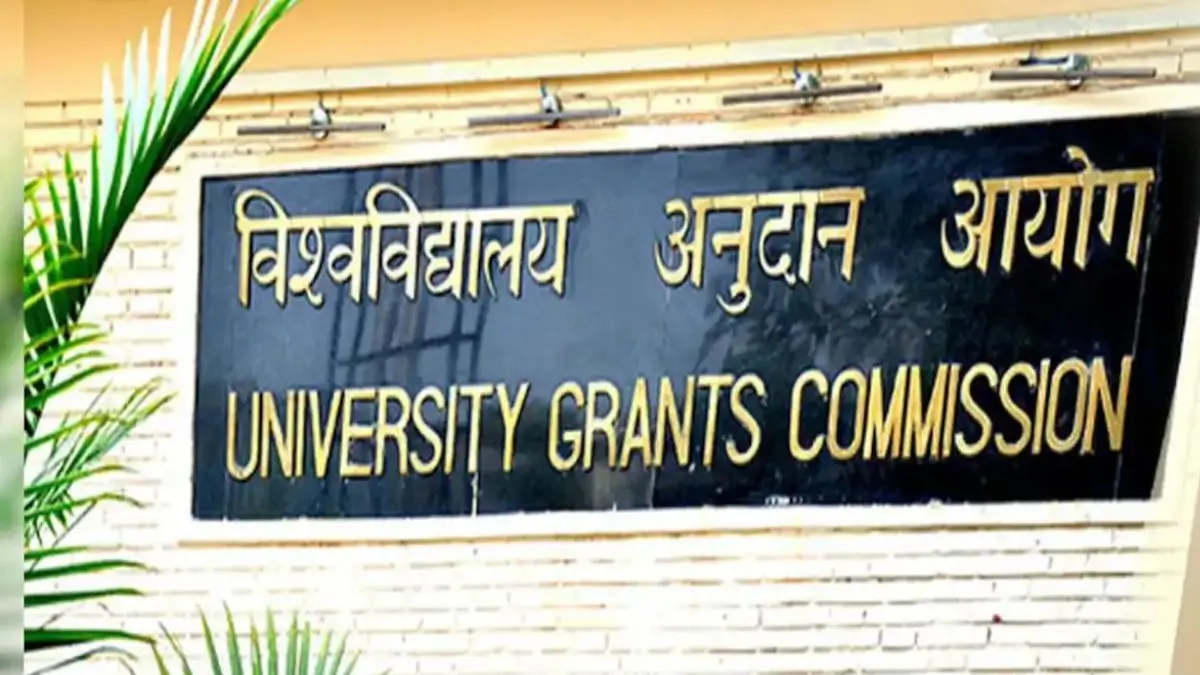
This topic is relevant for UPSC aspirants as it intersects with educational policies and governance. It is linked to:
UPSC aspirants must study this topic to grasp the importance of educational legitimacy and the regulatory frameworks in place to protect students.
The UGC has the mandate to ensure the quality and recognition of higher education institutions in India. Institutions declared as fake do not adhere to the standards set out in the UGC Act, which defines recognized universities and the criteria for deemed universities. Degrees from these institutions lack legal validation, rendering them useless for employment or further studies.
In the Prelims, questions may focus on factual knowledge such as the number of fake universities or their locations. Mains could see questions exploring causes, implications of educational fraud, and the effectiveness of current policies to combat this issue.
The rise of fake universities in India can be attributed to inadequate regulatory oversight and the increasing demand for higher education. This situation poses significant risks, including:
Addressing these challenges requires a multi-faceted approach, including stronger regulatory measures and increased public awareness.
To ensure sustainability and resilience in the education sector, it is essential for the UGC to enhance its oversight mechanisms. The focus should be on creating a robust framework that allows for effective monitoring of universities and provides clear guidance to students. Evidence-based policy changes must be implemented to safeguard academic integrity and protect the interests of students in India.
Q1. What are the consequences of degrees from fake universities?
Answer: Degrees from fake universities have no legal validity, making graduates ineligible for government jobs, competitive exams, or further studies.
Q2. How can students verify the recognition status of a university?
Answer: Students should check the official UGC website to confirm the recognition status of any university before admission to avoid fraudulent institutions.
Q3. Why is it important to be aware of fake universities?
Answer: Awareness of fake universities is crucial to prevent financial loss, ensure valid educational qualifications, and safeguard career prospects.
Q4. Which state has the highest number of fake universities?
Answer: Delhi has the highest number of fake universities, with a total of 12 institutions identified by the UGC.
Q5. What legal authority does the UGC have over universities?
Answer: The UGC has the authority to recognize universities based on specific criteria outlined in the UGC Act, ensuring educational standards are met.
Question 1: As of February 2026, how many institutions have been declared fake by the UGC?
A) 12
B) 32
C) 20
D) 25
Correct Answer: B
Question 2: Which state has the second-highest number of fake universities?
A) Maharashtra
B) Uttar Pradesh
C) Karnataka
D) Kerala
Correct Answer: B
Question 3: What does the UGC Act define?
A) The curriculum for universities
B) Recognized universities and criteria for deemed universities
C) The funding for universities
D) The faculty recruitment process
Correct Answer: B
Question 4: Why should students check the UGC website before admission?
A) To find scholarships
B) To validate the recognition status of universities
C) To know the course fees
D) To check faculty qualifications
Correct Answer: B
Question 5: What is a major risk of attending a fake university?
A) Enhanced education experience
B) Invalid degrees for government jobs
C) Free learning materials
D) Networking opportunities
Correct Answer: B
 Kutos : AI Assistant!
