

A rare migratory bird of prey, the Eastern Imperial Eagle, was recently spotted at the Mudumalai Tiger Reserve during the 2025–26 winter season. Wildlife experts highlight this sighting as evidence of Mudumalai’s growing importance as a winter refuge for long-distance migratory raptors visiting the Indian subcontinent.
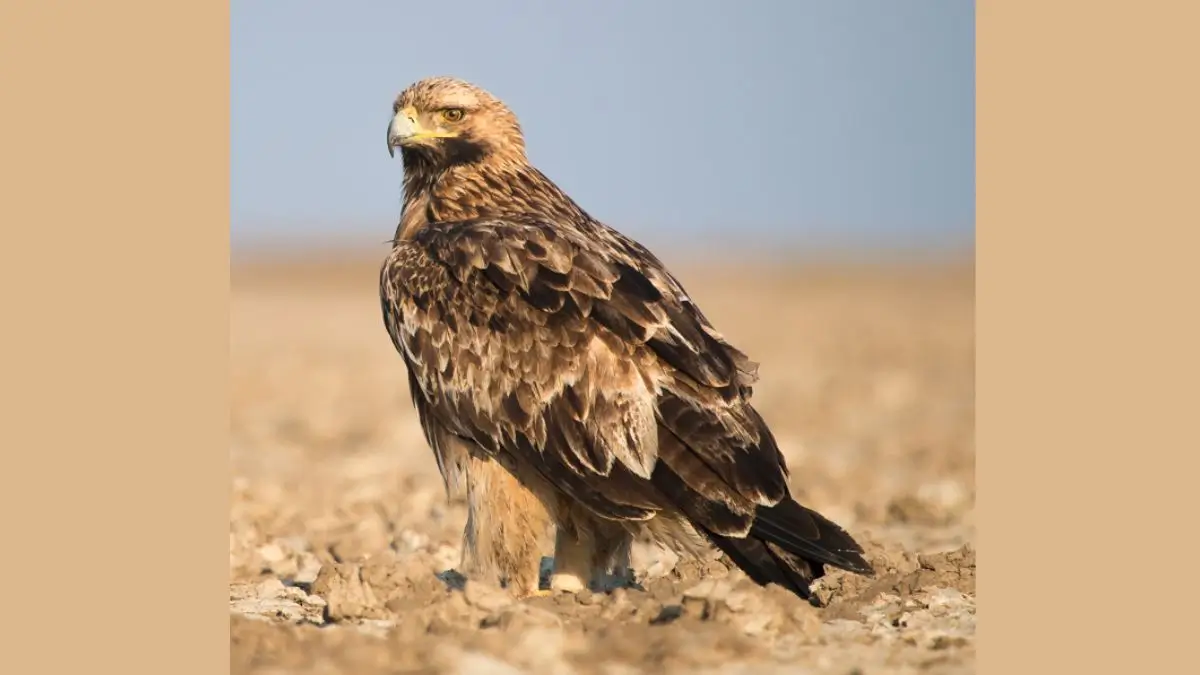
The sighting of the Eastern Imperial Eagle, a rare winter migrant to India, underscores the reserve's critical role as a habitat for migratory birds of prey. This eagle species typically breeds in Central and Western Asia and migrates southward in winter, occasionally reaching India.
A pair of Eastern Imperial Eagles was captured by wildlife photographer Murali Moorthy at Mudumalai. Remarkably, one image features the eagle alongside an endangered Egyptian vulture, adding ecological significance to the sighting.
Mudumalai offers a unique combination of open grasslands, forest edges, tall nesting trees, and abundant prey. Research conducted between 2011 and 2022 identified around 58 raptor species in the reserve. The low level of human disturbance, coupled with varied habitats, makes it an ideal location for wintering raptors and other migratory birds.
The Eastern Imperial Eagle serves as a top predator, playing a crucial role in managing rodent and small mammal populations. Its presence indicates a healthy ecosystem, as the species prefers forest-steppe landscapes and open hunting grounds. However, habitat loss, disturbance, and declining prey are significant threats to its global population.
Data from eBird between 2020 and 2025 reveals regular winter sightings of the Imperial Eagle at Mudumalai, predominantly from November to February. Conservationists caution that increasing tourist pressure could disrupt sensitive habitats. Therefore, implementing sustainable tourism regulations is essential to protect both migratory and resident wildlife.
Q1. What is the significance of the Eastern Imperial Eagle's sighting in India?
Answer: The sighting of the Eastern Imperial Eagle at Mudumalai highlights the area's importance as a winter refuge for migratory raptors, confirming its ecological value and biodiversity.
Q2. Where do Eastern Imperial Eagles migrate from?
Answer: Eastern Imperial Eagles breed in Central and Western Asia and migrate south during winter, with some reaching regions in India, including Mudumalai.
Q3. What threats do Eastern Imperial Eagles face?
Answer: The primary threats to Eastern Imperial Eagles include habitat loss, disturbance from human activities, and declining prey availability, which impact their survival.
Q4. How does tourism impact the Mudumalai Tiger Reserve?
Answer: Increasing tourism can disturb sensitive habitats, potentially threatening the wildlife and ecosystems in Mudumalai. Sustainable tourism practices are essential to mitigate these impacts.
Q5. What is the conservation status of the Eastern Imperial Eagle?
Answer: The Eastern Imperial Eagle is listed as Vulnerable on the IUCN Red List, indicating that it faces a risk of extinction due to various environmental pressures.
Question 1: What is the primary habitat of the Eastern Imperial Eagle?
A) Forests
B) Grasslands
C) Urban areas
D) Wetlands
Correct Answer: A
Question 2: Which of the following is a significant threat to the Eastern Imperial Eagle?
A) Habitat loss
B) Natural predators
C) Climate change
D) All of the above
Correct Answer: A
 Kutos : AI Assistant!
